Clinical, research and regulatory advisers shape the work, and a therapist leads every course of care.
Liam Harte
Founder & CEO · Belfast, Northern Ireland
I know what it is like to live with phobias and OCD, and to work through exposure-based treatment. That experience is part of why I founded Rephobia.
I wanted to help close the gap between the situations that matter to a person and what can realistically be practised in a session. Heights, flights or medical settings can be difficult to arrange at the right time, in the right way.
We started with interactive VR. Our next focus is personal visual experiences, shaped around an individual’s fears, with a therapist guiding care. The technology should make room for the person, their pace and what they want to do differently.
We are a small Belfast company bringing together software development, lived experience, clinical input and research. We say what exists today and what we are still building.
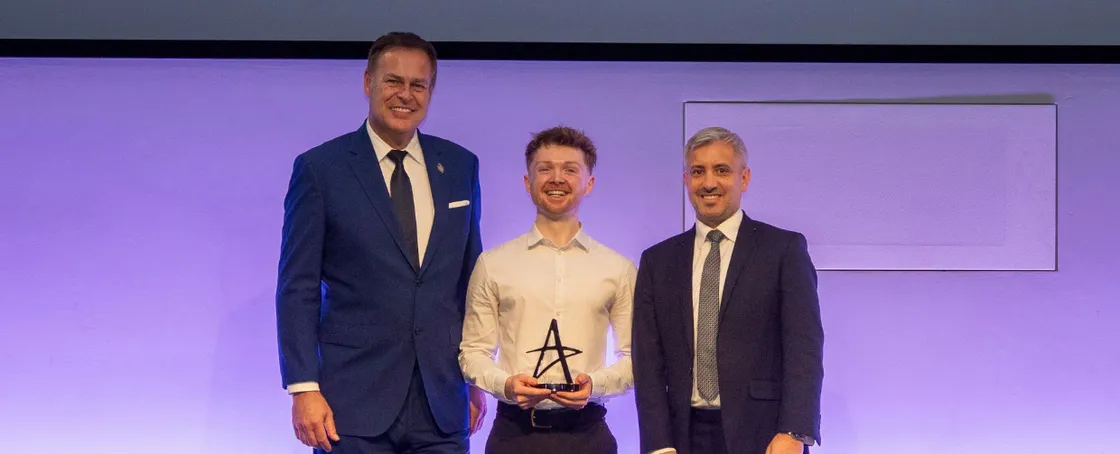
Rephobia’s earlier interactive VR crane scene. Visual exercises shaped around a specific fear are what we are building next.Peter Jones Foundation National Entrepreneur of the Year 2025.
The person stays at the centre
You have a say
You and your therapist agree the goal, approach and next step. Ask questions and discuss an exercise before continuing.
Your therapist leads care
Your therapist decides whether this approach suits you and leads your treatment. Technology supports the work you do together.
Progress needs reflection
What you notice during and between sessions helps shape what to practise or change next.
People behind the work
Clinical, research and regulatory experience shapes how Rephobia is built. These advisers are separate from the therapist you book with.
Professor Paul Best
Clinical adviser and research collaborator
Professor at Queen’s University Belfast and Director of the TIME Centre, with research in digital and immersive technologies for mental health. His clinical and research input informs Rephobia’s development.
Dr Donnelly brings medical-device and regulatory experience. He helps us decide what the software is for, where its limits are and what each version must meet.
The visual exercises are still in development and have no regulatory approval yet.
Research with clear boundaries
We want to understand what people experience, what helps the design and what still needs to be tested. Those are different questions from whether a treatment works.
44People tried both headset formats in the study
41Of them gave a full set of distress ratings
12Of them joined a follow-up group discussion
What the QUB study compared
The study compared two ways of facing heights through a headset: interactive VR and 360-degree video. Rephobia built the five height scenes and found the people who took part.
Exposure is meant to bring on some fear in a safe setting, so the study measured how much. Peak distress during the scene was higher in interactive VR. People rated the 360-degree video as more realistic and felt more present in it. When asked afterwards about their peak anxiety, the two formats showed no difference.
What this tells us
The people who took part were a non-clinical group, meaning nobody taking part had a diagnosed phobia or was in treatment for one. So the findings tell us what people experience, how the formats differ and whether the approach is practical. They do not show that Rephobia reduces symptoms, treats phobias or works better than other care.
Rephobia asked for and paid for the study. QUB researchers designed it, collected the data and did the analysis on their own. The visual exercises have not been tested in a clinical study yet.
Careful with what we build
Clinical responsibility
A qualified therapist decides whether this approach is right for you and leads your treatment. A therapist can offer appointments only after Rephobia has reviewed their professional details and approved what they can offer. The software does not replace that relationship.
Evidence and regulation
We keep three things separate: our earlier VR work, the prototype we are testing, and anything approved for clinical use. Each has its own rules to meet.
Your information
Your care information needs clear handling and proper protection. Our privacy notice explains what we collect, who sees it and how it is kept.
For therapists
If you are a therapist who works with phobias, you can join through our site for clinicians. You review requests from people who avoid a specific situation, offer a first appointment and keep the plan you agree with each person.
Email us and we set up your workspace account. You then give your professional details and the pathways you want to work in. A reviewer approves your scope before any request reaches you. You also record that your training and online setup are done.
What you see
Each request is the short summary the person wrote, with their region and rough availability. Contact details are held separately and no clinical notes are kept in the workspace. You add the appointment times you can offer and can pause new requests at any time; booked care stays in place.
What you decide
Whether to offer a first appointment, ask the person a question first, or decline. The person does not see a decline reason in their workspace. After the first appointment you record how it went and can propose a treatment plan for the person to agree.
What is not decided yet
We will publish fees, payment, indemnity and supervision arrangements once they are agreed. Email us to ask where things stand.
Tell a therapist what you want to change
Describe the situation you avoid. A therapist reads it and, if they can help, offers a first online appointment.
Sending a request is free, and you hear back either way.